
29 August 1987
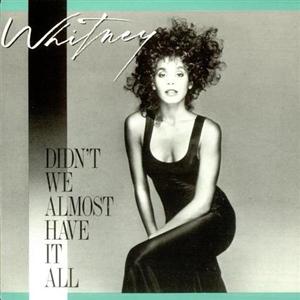
It doesn’t bode well for the song if I already struggle with its title. If it even means anything, ‘Didn’t We Almost Have It All’ is like something a divorcing couple might say in trying to keep things civil before the lawyers roll in: we gave it a go, we had some good times, now take your three-grand triathlon bike and go off back to your young wan. But the song itself is just a stream of trite, meaningless romantic schmaltz—a key change in every chorus!—with nothing like the emotional depth I’ve just read into the title. Irish people will have a wry smile at “the ride with you was worth the fall” but the fun stops there.
What’s more significant about ‘Didn’t We Almost Have It All’ from today’s vantage point is how it proves to be a bellwether of Whitney’s future direction. Of the five singles from her second album, three were joyous pop bangers (‘I Wanna Dance With Somebody’, ‘So Emotional’, ‘Love Will Save The Day’) and another was an old-school soulful ballad (‘Where Do Broken Hearts Go’). But ‘Didn’t We Almost Have It All’ lumps in on the soulless power-hosing vocals that also blight her following year’s Olympic anthem ‘One Moment In Time’. This future wasn’t set in stone; Whitney’s next album, 1990’s I’m Your Baby Tonight, was a pivot to funkier R&B pop and still a huge success. However, that same year Mariah Carey became a star, and so the ’90s market value for female vocalists was set: loud and showy, at the expense of interpretation and character, with the song a mere delivery mechanism for the voice. As we’ve heard here, Whitney Houston already had that in her locker, and her next Irish number one, in 1992, will be the most notorious example of this whole trend. Oh, ’80s Whitney: didn’t we almost have it all?

